Research Program
SuPER Lab Sustainable Processing and Energy Resilience Lab
Motivation
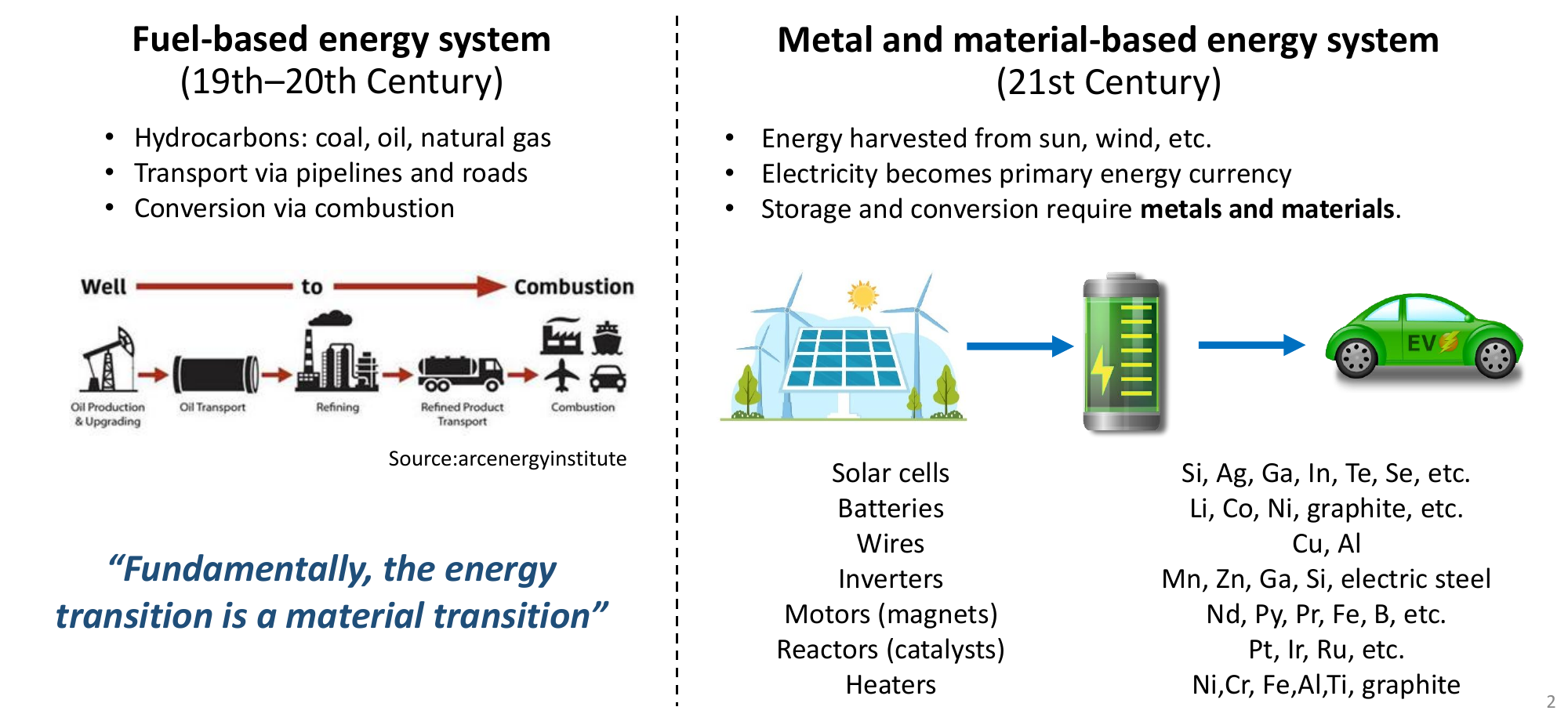
A paradigm shift in the energy system
Metals and materials as energy carriers and building blocks
Our world is transitioning from a hydrocarbon-based energy system toward one built on metals and materials. Our research aims to accelerate this transition by conducting cutting-edge applied and fundamental research.
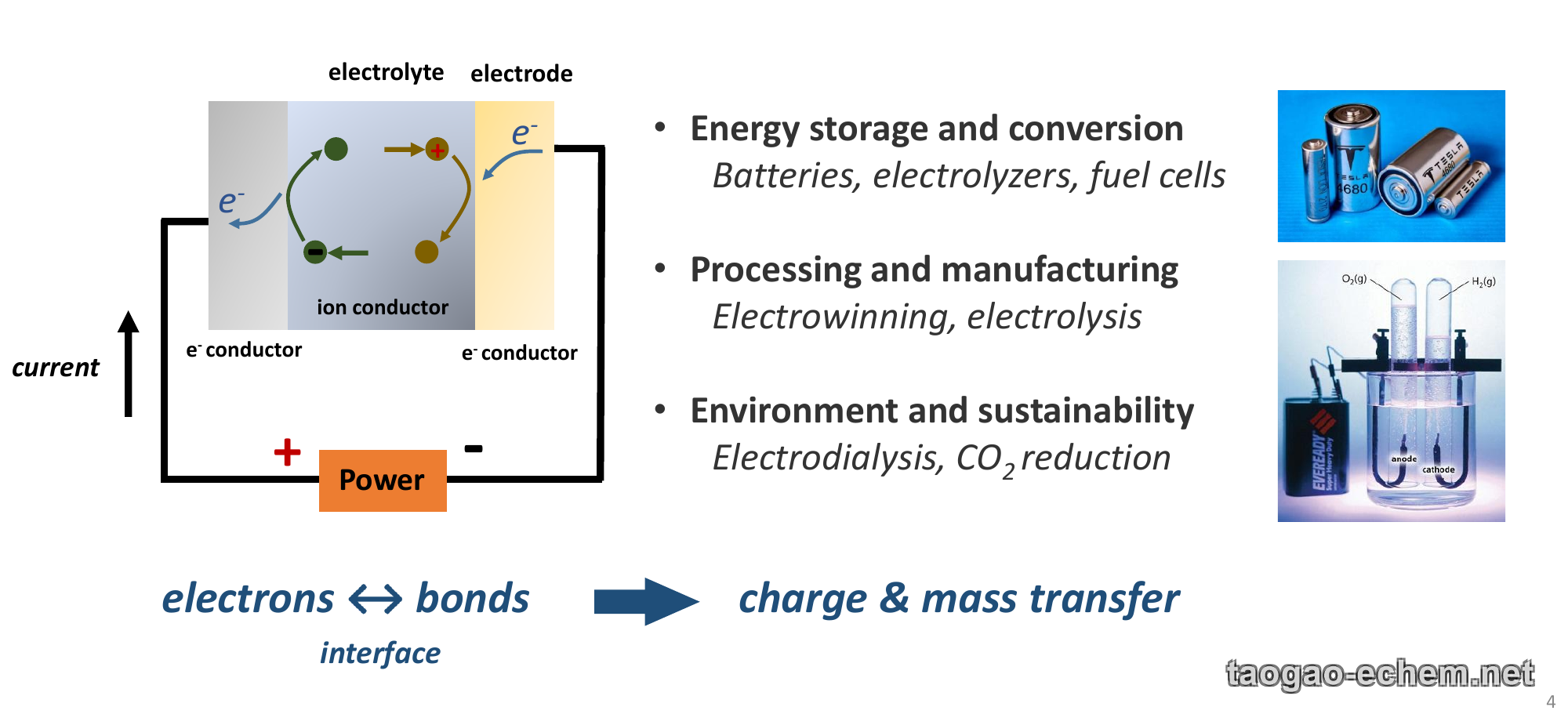
Electrochemistry
Electrochemical reactors enable diverse applications by directly manipulating chemical bonds with electrons
Our approach
Fundamental
How liquid solutions regulate chemical reactivity
Our research focuses on understanding how liquid solutions regulate chemical reaction reactivity, because of their critical role in electrochemical and thermochemical processes.
Practical
Physical understanding + data-driven AI/ML
We combine physical understanding with data-driven AI/ML methods to accelerate electrolyte material design for processing and energy storage applications.
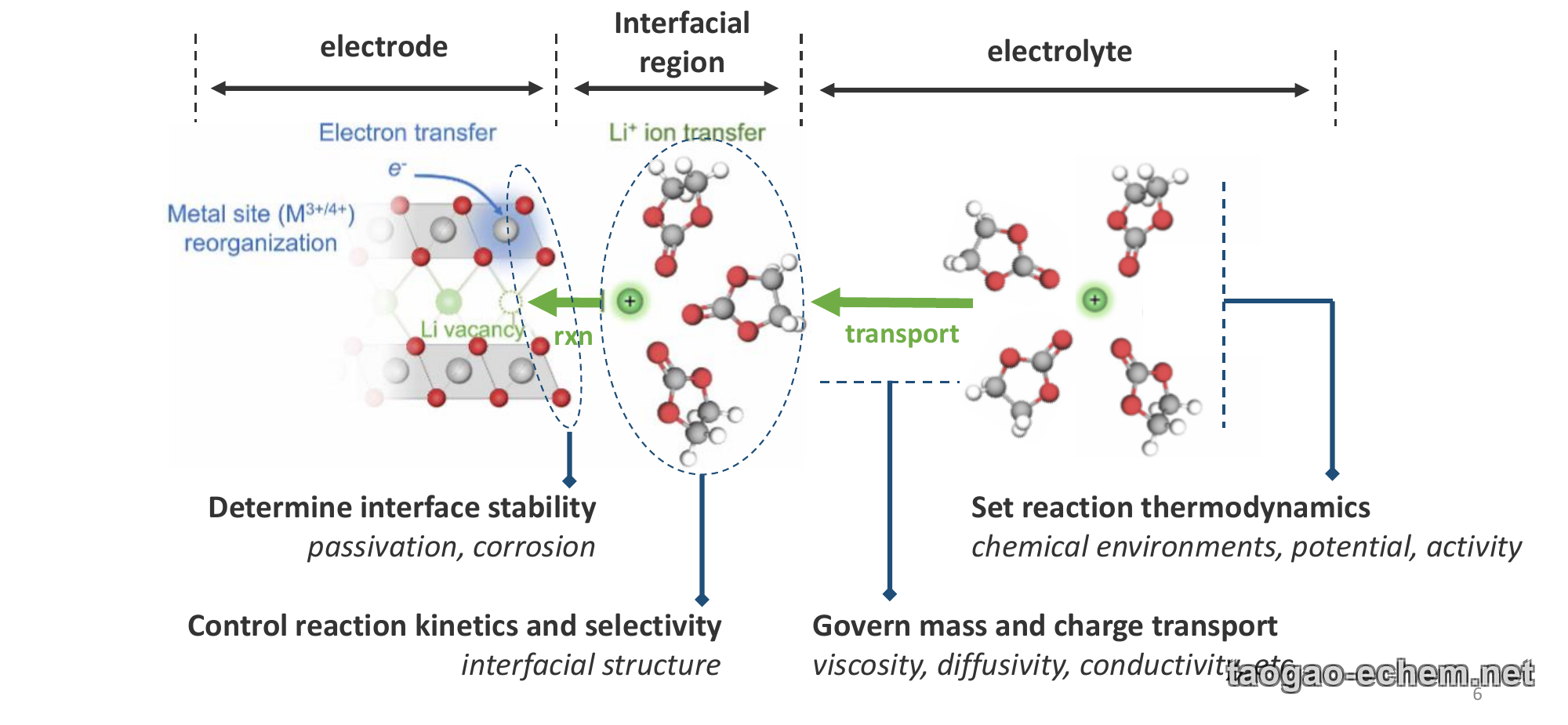
Why electrolytes
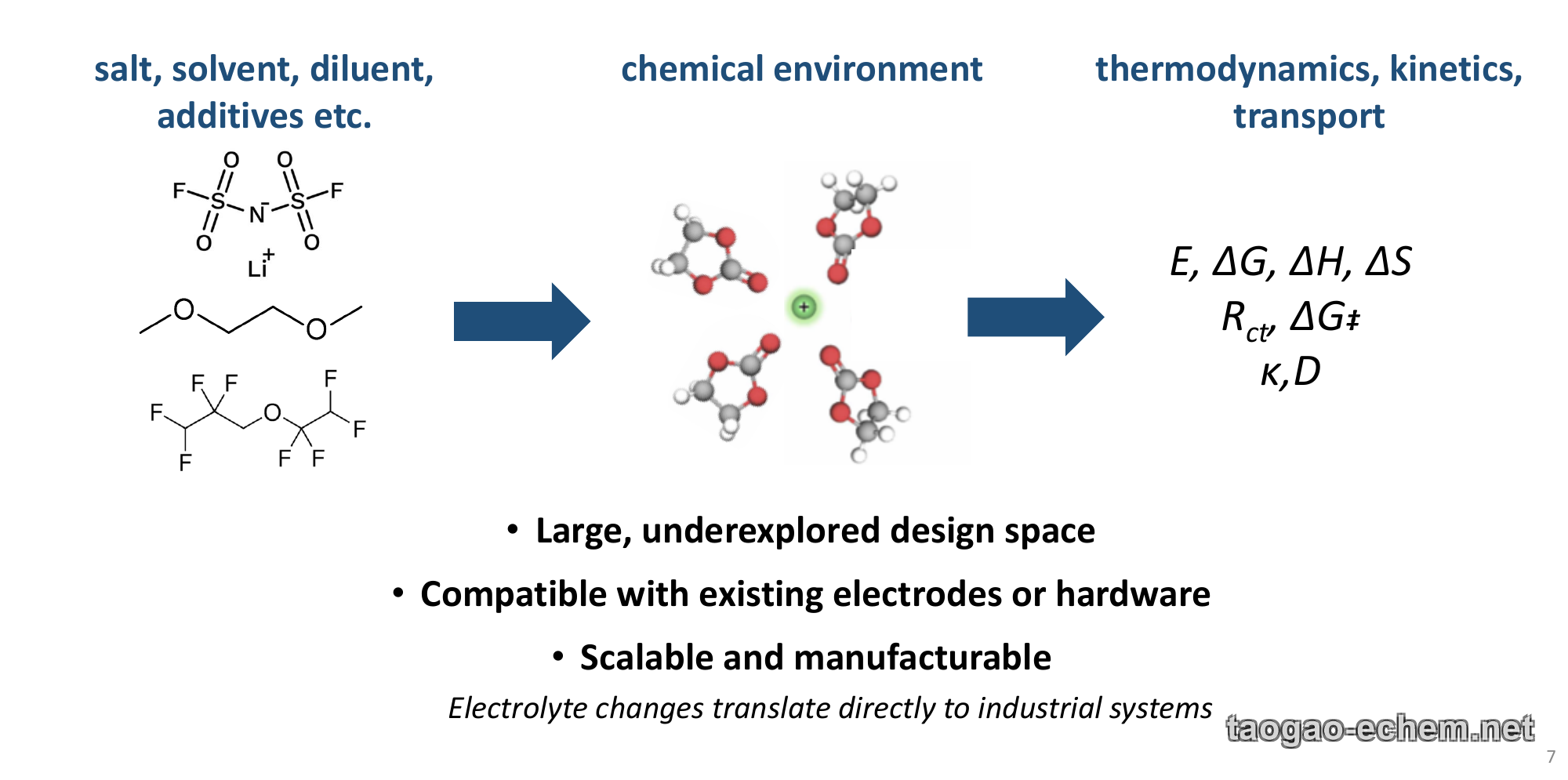
Electrolytes control thermodynamics, kinetics, transport, and interfacial behavior
Electrolyte engineering provides a scalable design lever
How we work
Methods
The functionality and properties of liquid solutions are governed by ion–ion and ion–molecule interactions. We use electrochemical, microscopic, and spectroscopic methods to characterize liquid environments (electrolytes) and how they interact with solid materials (electrodes) in processing and energy systems.
Who we work with
Collaborations
We collaborate extensively. We work with computational scientists for atomistic/molecular simulation, quantum-chemistry calculation, and ML modeling, and with theorists for microscopic modeling. For applied projects we team up with system engineers (system modeling, TEA/LCA), materials scientists, and chemists.